
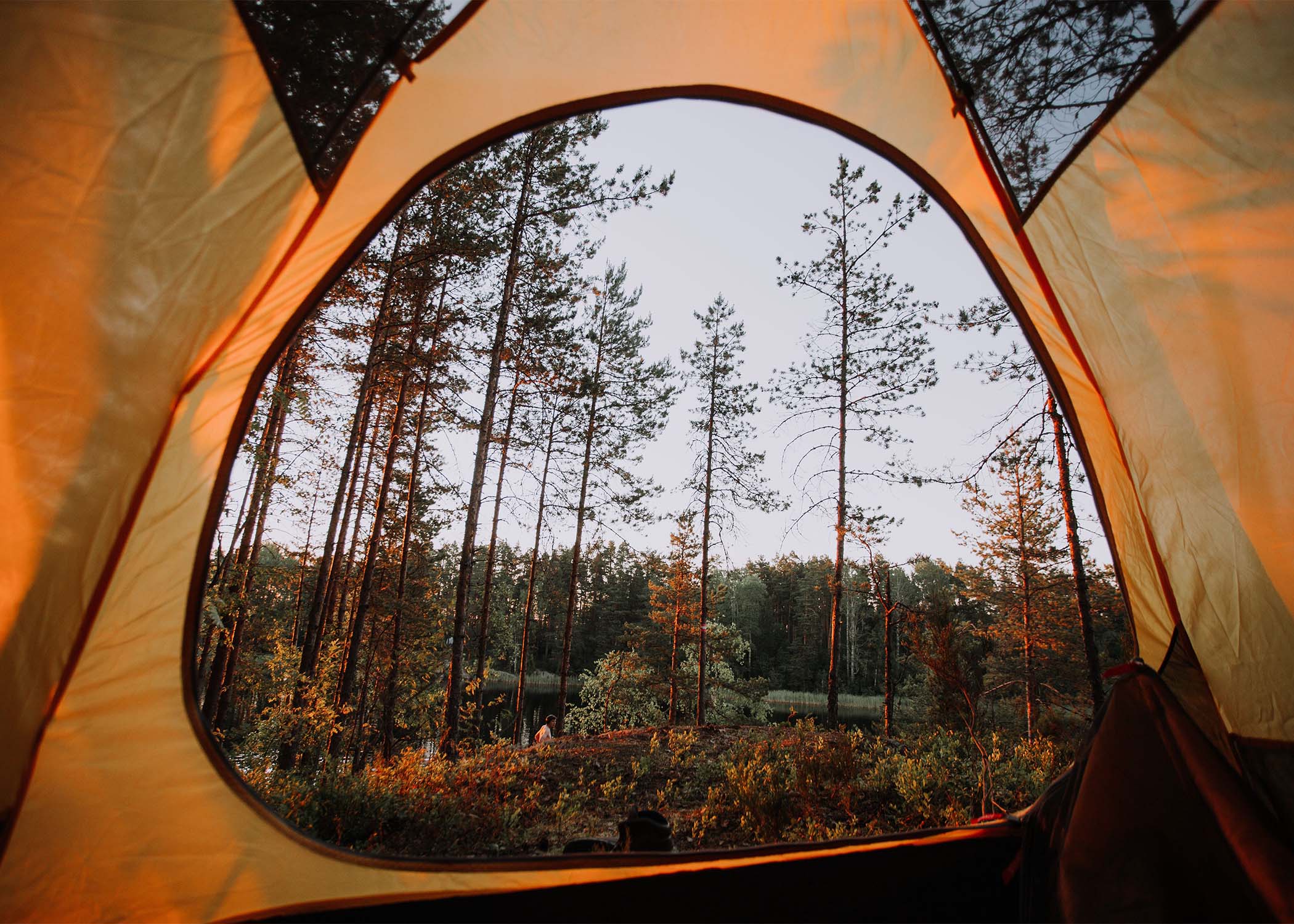
Four-Season RV Camping: How to Camp in Every Kind of Weather.
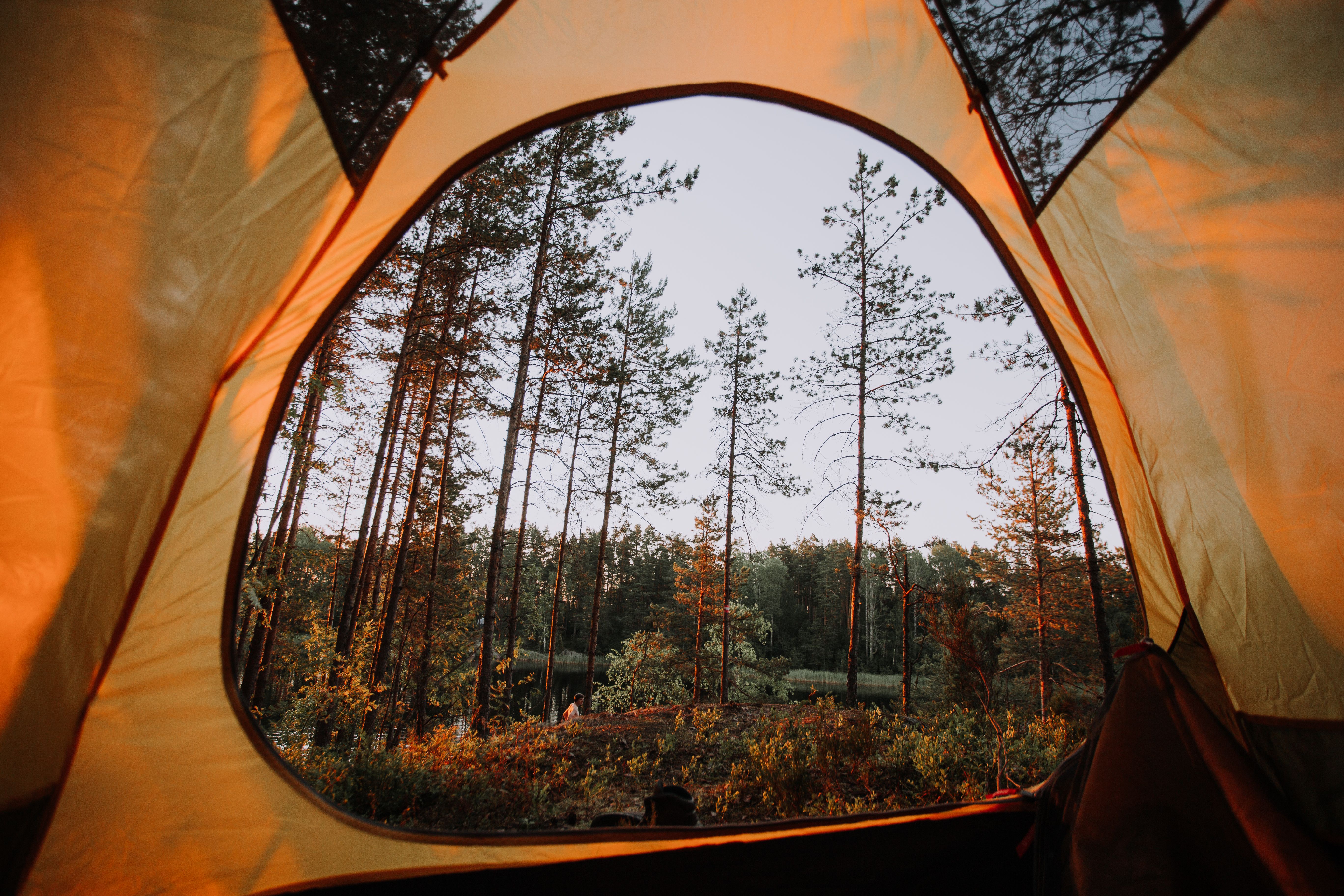
Here in the Pacific Northwest, we don’t get the luxury of fair-weather camping. We get moss on the picnic table, rain that shows up sideways, and shoulder seasons that can’t decide what they want to be. But here’s what I tell folks on the lot: with the right setup and a few habits, there’s no such thing as bad camping weather — only rigs that aren’t ready for it. Four-season RVing isn’t about toughing it out. It’s about staying dry, warm, and comfortable no matter what the sky is doing.
This is the guide I wish every new owner got before their first soggy October weekend. We’ll start with the one thing that matters most around here, then walk through each season, and finish with a rain playbook and a year-round gear kit.
Start Here: Manage Moisture Before Anything Else
In the Northwest, your biggest enemy usually isn’t cold — it’s moisture. Four people breathing, a hot shower, a pot of chili on the stove, and a rainy night outside can dump a shocking amount of water vapor into the air. That water has to go somewhere, and if you don’t manage it, it condenses on your windows, behind cushions, and inside cabinets, where it quietly grows mold.
Wipe down window condensation in the morning, leave cabinet doors cracked on damp nights so air can circulate, and pull cushions away from cold exterior walls now and then. None of it is glamorous, but it’s the difference between a rig that lasts and one that smells like a wet tent by year three.
Season by Season in the Northwest
Spring: Mud, Melt, and Mood Swings
Spring is our trickiest season because a single day can swing from sun to sleet. Campgrounds are soft and muddy, rivers run high, and mountain passes can still ice over at night. Pack layers, keep a set of leveling blocks and a boot tray by the door, and check road and pass conditions before you climb toward the Cascades. This is prime time to shake down your rig after winter storage — test the furnace, reseal any roof cracks you find, and re-pressure your tires before the first real trip.
Summer: The Payoff Season (Watch the Heat and the Crowds)
Northwest summers are the reward — long golden evenings, dry trails, warm lakes. Even here, though, a west-facing rig can get hot, so park in shade when you can, use reflective window covers, and run your roof vents to pull heat out. Book popular spots early; our best campgrounds fill months ahead. And keep fire restrictions in mind — late summer often brings burn bans, so have a propane fire pit as a backup for those campfire evenings.
Fall: The Sweet Spot (If You’re Ready for Rain)
Ask me my favorite season to camp and it’s fall, hands down — the crowds thin out, the larches turn gold, and the whole region smells like cedar and woodsmoke. The catch is that the rain returns. This is when your moisture habits and a reliable furnace earn their keep. Keep a dry-out routine, bring extra towels and a doormat, and enjoy having the campground nearly to yourself.
Winter: Cozy Is Possible — With Freeze Protection
Yes, you can camp through a Northwest winter, and a snowy morning at a quiet campground is something special. The key is protecting your rig’s plumbing from freezing. Use heated water hoses or disconnect and run from your fresh tank, add tank heaters or an insulated skirt for extended cold, and keep the furnace cycling so the underbelly stays above freezing. Keep propane topped off — heat burns through it faster than people expect — and always run a working carbon monoxide detector when you’re heating a closed space.
The Northwest Rain Playbook
Rain is our default setting, so a rainy trip shouldn’t mean a miserable one. A little preparation turns a downpour into background music.
- Reseal before the season, not after the leak. Inspect roof seams, vents, and window seals every spring and fall. Catching a hairline gap with a $10 tube of sealant beats replacing a water-damaged wall.
- Add an awning and a dry entry zone. A quality awning with side panels creates a covered outdoor room, and a boot tray plus an absorbent mat inside the door keeps the mud where it belongs.
- Dress the part. Good rain gear and waterproof footwear mean you still get outside — the difference between “stuck inside” and “out enjoying it” is usually just a decent jacket.
- Have an indoor plan. Board games, a good book, a movie downloaded ahead of time. Rainy afternoons in a warm, dry rig with the patter on the roof are honestly one of the quiet joys of Northwest camping.
- Mind your traction. Wet grass and gravel sites get slick. Carry traction mats or boards, and don’t be shy about asking for a firmer site when you book in the rainy months.
Your Four-Season Gear Kit
Keep these aboard year-round and you’re ready for whatever the forecast does:
- Roof-vent fan for cooking, showering, and everyday moisture control.
- Small dehumidifier and moisture-absorber tubs for the wet, cold months.
- Reflective window covers — they block summer heat and slow winter heat loss.
- Heated water hose and tank heaters for freeze protection.
- RV-safe roof and seam sealant for spring and fall inspections.
- Awning with side panels to create dry outdoor space.
- Traction mats or leveling boards for soft, wet sites.
- Working carbon monoxide and propane detectors — non-negotiable any time you’re heating the rig.
The Bottom Line
Four-season camping in the Northwest comes down to two things: keep the water out and the moisture managed, and keep your rig warm and ventilated. Do that, and the rain stops being a reason to stay home and starts being part of the charm. Some of the best nights I’ve ever spent out here were the wet, quiet ones with the heater humming and the forest dripping outside.
Want your rig ready for real Northwest weather? Stop by Fife RV Center. We’ll check your seals, furnace, and freeze protection, and set you up with the gear that makes rainy, snowy, four-season camping genuinely comfortable — because around here, waiting for perfect weather means never going at all.
— From the crew at Fife RV Center. Rain or shine, we’ll see you out there.
