
RV Kitchen Hacks: How to Cook Great Meals in a Tiny Galley.
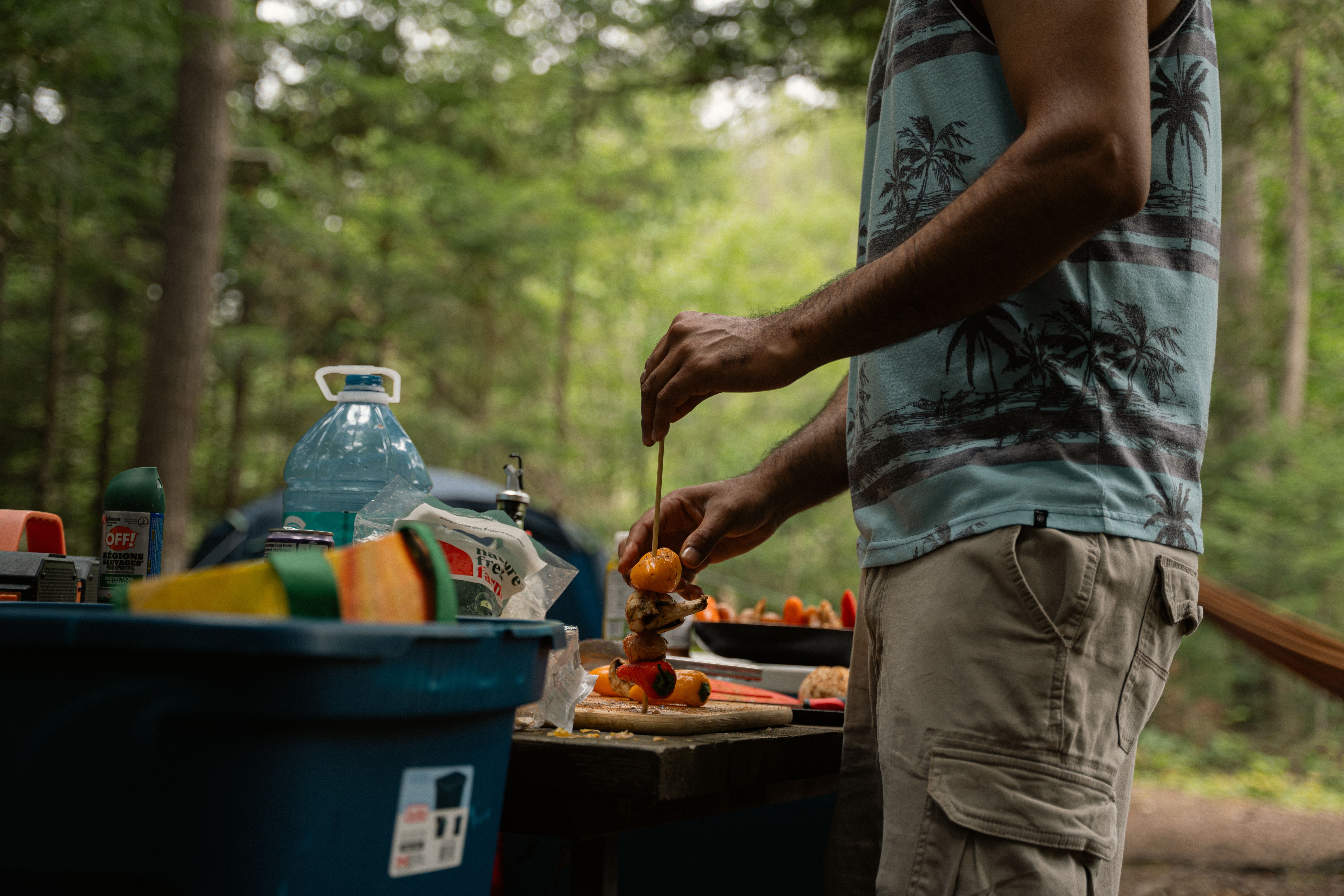
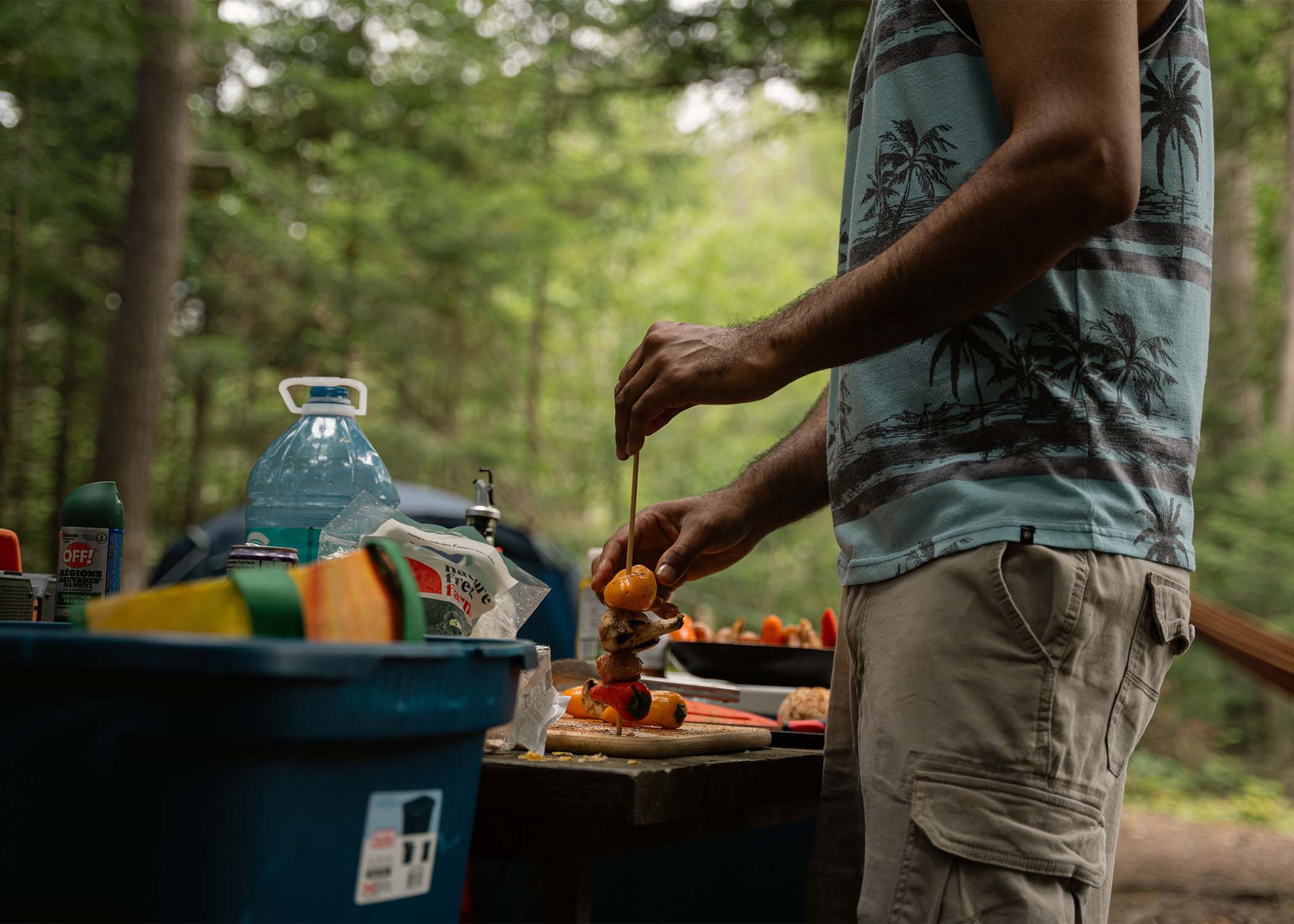
People love to joke that an RV kitchen is where good cooking goes to die. Two feet of counter, a fridge the size of a shoebox, a stove that lights on the third try — I’ve heard every complaint. And every one of them is wrong. Some of the best meals I’ve ever eaten were cooked in a galley smaller than a coat closet, parked somewhere with no cell signal and a killer view. The trick isn’t more space. It’s smarter habits.
Whether you’re plugged in at a full-hookup park or boondocking off-grid where every watt and every drop of water counts, here’s how to cook like you’ve got a real kitchen — in a space that definitely isn’t one.
Win the Storage Battle First
A tiny galley works or fails on organization. The goal is simple: everything has a home, nothing rattles down the road, and you can reach what you need without unpacking three cabinets. A few moves that pay off every single trip:
- Go vertical. Stackable bins, tension rods, and over-door racks turn dead air into storage. A tension rod across a cabinet keeps plates and pans from sliding on travel days.
- Nest and collapse. Collapsible bowls, kettles, and colanders flatten to nothing. A nesting cookware set replaces a whole drawer of mismatched pots.
- Decant the bulk. Ditch the cardboard boxes and bulky bottles. Move staples into square, stackable containers that use space efficiently and won’t burst open on a rough road.
- Use the walls. Magnetic strips for knives, adhesive hooks for measuring cups and mugs, a magnetic spice rack on the fridge side — wall space is free real estate.
- One in, one out. If a gadget only does one job, it probably doesn’t earn its spot. A good chef’s knife and a cast-iron pan beat a drawer full of single-use tools.
Learn to Love the One-Pot Meal
Here’s the single biggest shift for galley cooking: fewer pans, fewer dishes, less water. That last part matters enormously when you’re boondocking and hauling your own water. One-pot meals aren’t a compromise — they’re the whole game.
Think chili, curries, jambalaya, pasta cooked right in its sauce, sheet-pan-style skillet dinners, hearty soups, and rice bowls that pile everything into one dish. A good cast-iron skillet and a single deep pot will cook 90 percent of what you’ll ever want out there. Brown your protein, add your vegetables and starch, simmer, done — and you’ve got one pot to wash instead of five.
Prep Before You Park
The best galley trick barely happens in the galley at all. A little prep at home — or during a lazy afternoon at camp — turns dinner into assembly instead of production.
- Chop ahead. Dice onions, peppers, and garlic before the trip and store them in containers. Ten minutes at home saves you crying over a cutting board in a cramped space at dusk.
- Marinate in a bag. Pre-marinated meat in a zip bag takes no space, flavors as it travels, and cooks straight from the cooler or fridge.
- Build make-ahead meals. A big batch of chili or a foil-packet dinner assembled in advance means one pan on-site and almost no cleanup.
- Mix your own spice blends. A few pre-mixed jars (taco, curry, all-purpose) replace a spice rack you don’t have room for and speed everything up.
- Freeze what you can. Frozen make-ahead meals double as ice blocks in the cooler on day one, then become dinner once they thaw.
Cook Smart for Off-Grid Power
When you’re not plugged in, how you cook matters as much as what you cook. High-draw appliances like microwaves and electric kettles can drain a battery bank fast. Lean on propane for the stove, use a French press instead of an electric coffee maker, and save the power-hungry gadgets for when you’re on shore power. A single induction burner is efficient if you’ve got the battery and solar to back it — but on a modest setup, the propane cooktop is your friend.
A Starter Galley Kit
- One good chef’s knife and a small cutting board
- A cast-iron skillet and one deep pot with a lid
- A nesting set of collapsible bowls, colander, and kettle
- Stackable, square food storage containers
- A French press or pour-over for low-power coffee
- Pre-mixed spice jars and a few make-ahead meals
The Bottom Line
A small galley doesn’t mean small food. Get your storage dialed, lean into one-pot cooking, and do your prep before you’re hungry and tired — and you’ll eat better on the road than most people do at home. Add a great view out the window and a campfire waiting outside, and honestly, that tiny kitchen starts to feel like the best one you’ve ever had.
Shopping for a rig and wondering which galley layout actually works? Come see us at Fife RV Center. We’ll show you the kitchens that cook well in real life — counter space, fridge size, storage, and power setup — so you’re set up to eat like royalty wherever you park.
— From the crew at Fife RV Center. Save us a plate.
